Shifting Dynamics of Incentive Structures in Blended Digital Wagering and Gaming Portals
Blake Flores · Oct 7, 2026
Shifting Dynamics of Incentive Structures in Blended Digital Wagering and Gaming Portals
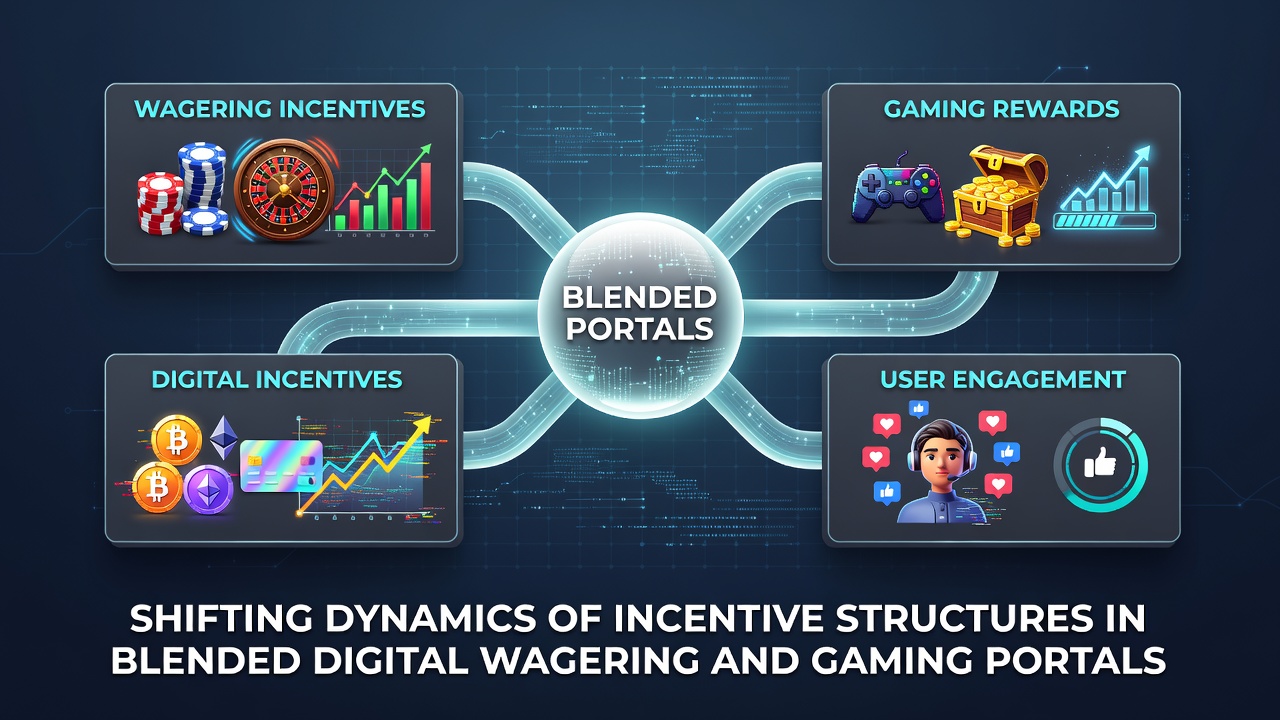
Blended digital wagering and gaming portals now combine casino games, sports betting, poker rooms, and lottery options within single user accounts, and incentive structures have evolved to match this integration through cross-category reward systems that track activity across multiple verticals simultaneously. Operators adjust these structures based on user behavior data collected in real time, which allows them to shift from static welcome offers toward dynamic loyalty frameworks that respond to individual play patterns. Research from the European Gaming and Betting Association indicates that such blended environments accounted for over 60 percent of new account registrations in several European markets by late 2025, with incentive models adapting accordingly to maintain engagement across the full suite of offerings.
Core Components of Modern Incentive Frameworks
Traditional deposit-match bonuses still appear in many portals, yet they now frequently tie into broader progression systems that award points for every wager placed in casino slots, sports markets, or poker tournaments, and those points convert into credits, free spins, or cashback percentages that apply across all game types. Conditional activation sequences require users to complete specific tasks such as placing a minimum number of sports bets before unlocking poker tournament entries, and data from platform analytics shows these sequences increase average session duration by linking activities that once operated separately. Observers note that tiered loyalty levels, which advance based on total volume across categories, replace older flat-rate programs because they encourage sustained participation rather than one-time deposits.
Technological Influences on Reward Delivery
Artificial intelligence algorithms now personalize incentive offers by analyzing previous bets, preferred game types, and deposit timing, then generate targeted promotions that appear within the user dashboard at moments of predicted churn. This personalization extends to blended portals where a user who favors live dealer tables might receive sports betting cashback after reaching a certain poker hand count, creating seamless transitions between verticals. Platform updates scheduled for October 2026 include enhanced API connections that let operators pull data from third-party providers more efficiently, allowing reward calculations to incorporate live odds fluctuations and tournament schedules without manual intervention.
Regulatory Adjustments Across Jurisdictions
Regulators in multiple regions have introduced guidelines that affect how incentives operate within blended environments, with the Alcohol and Gaming Commission of Ontario requiring clear disclosure of wagering requirements that span multiple game categories. Similar measures in other markets limit the stacking of bonuses across verticals while still permitting unified loyalty currencies that function everywhere within a single portal. Industry reports reveal that compliance teams now audit incentive structures quarterly to verify that cross-platform rewards do not inadvertently violate local advertising standards or responsible gaming mandates.
Market Data and Usage Patterns
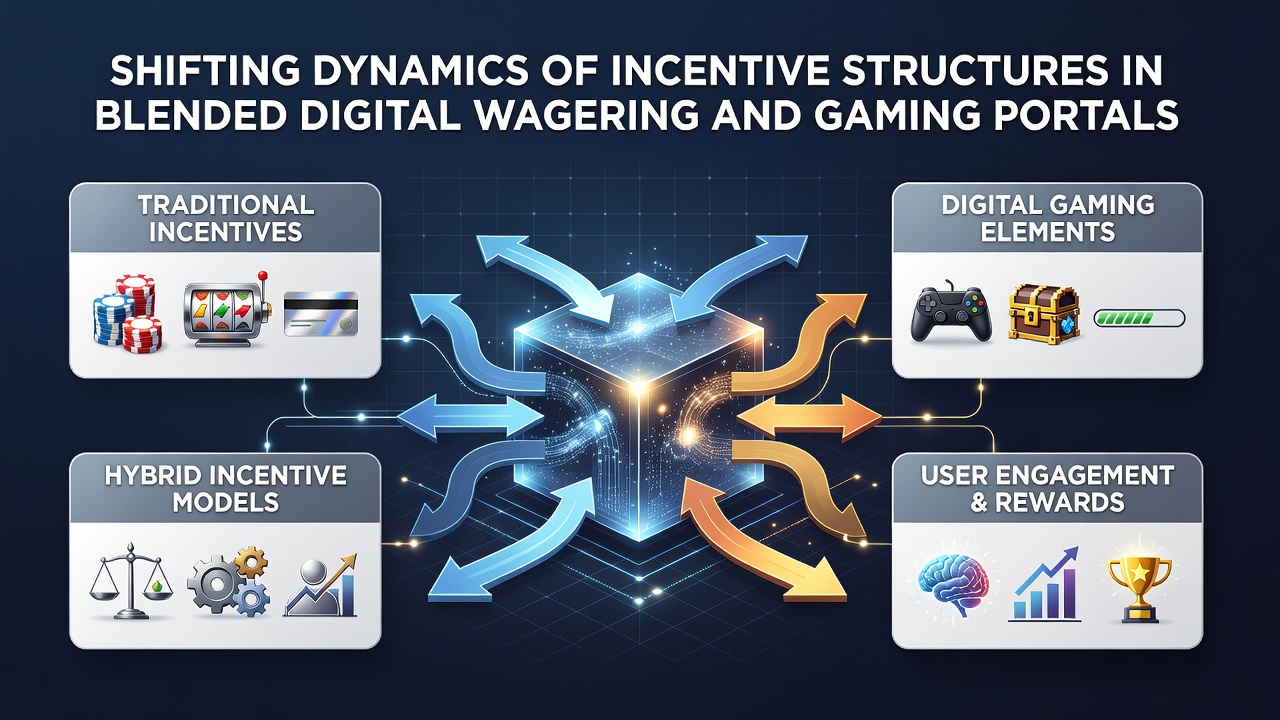
Figures released by the Australian Communications and Media Authority show that blended portal users who engage with at least two verticals generate 45 percent higher lifetime value than single-category players, prompting operators to design incentives that reward diversification. University-led studies from the International Gaming Institute at the University of Nevada, Las Vegas have documented how progressive reward ladders correlate with reduced account dormancy rates, particularly when points earned in sports betting carry over directly into casino free-play credits. These patterns hold across different age groups and regions, although the specific mix of verticals varies according to local regulations and cultural preferences.
Future Trajectories for Incentive Design
Platform developers continue testing blockchain-based reward tokens that users can exchange between blended portals without traditional conversion fees, and pilot programs running through 2026 aim to measure retention lifts from such interoperability. Meanwhile, operators monitor how seasonal events, such as major sports tournaments or poker series, influence the timing and value of cross-category offers. The integration of virtual reality interfaces in select portals further complicates incentive delivery because users may switch between immersive casino tables and live sports overlays within the same session, requiring reward engines to track presence across these new formats.
Conclusion
Blended digital wagering and gaming portals continue to reshape incentive structures by merging previously separate reward pathways into unified systems that respond to comprehensive user activity. Regulatory oversight, technological capabilities, and market usage data together determine how these structures evolve, with measurable impacts on retention and engagement documented across multiple jurisdictions. As platforms prepare for October 2026 updates, the focus remains on refining personalization and cross-vertical compatibility while maintaining compliance with existing rules.