Seasonal Timing Patterns Behind Credit Releases in Blended Digital Wagering Ecosystems
Willa Jenkins · Oct 21, 2026
Seasonal Timing Patterns Behind Credit Releases in Blended Digital Wagering Ecosystems
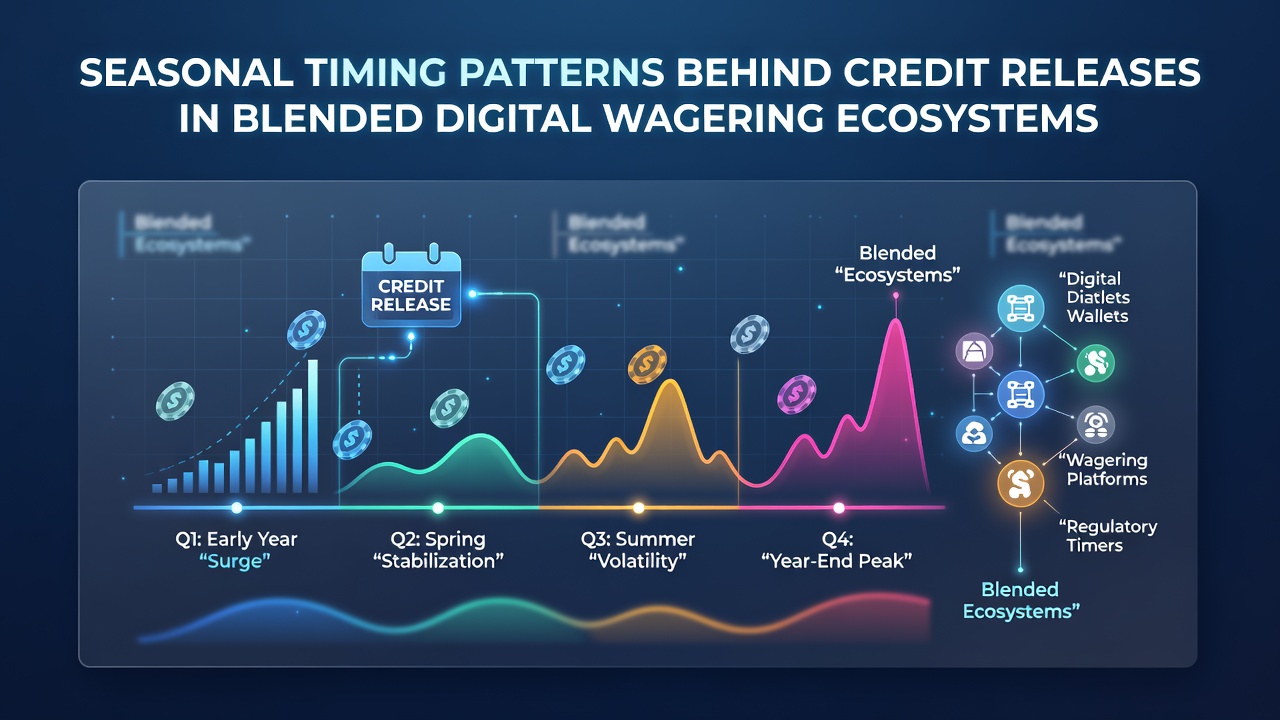
Seasonal timing patterns shape how credit releases occur across blended digital wagering ecosystems where casino games, sports betting, poker, and lottery elements combine on single platforms, and data from multiple markets shows releases often cluster around major sporting calendars, holiday periods, and regional weather shifts that influence user engagement levels. Researchers tracking these systems note that operators align free credit distributions with predictable peaks such as the start of European football leagues in August or North American hockey seasons in October because those windows generate higher cross-platform migration rates among users who move between game types when new incentives appear.
Core Mechanisms Driving Release Schedules
Platform algorithms process historical transaction volumes alongside external calendars to determine when credits activate, and studies from industry monitoring groups reveal that blended ecosystems release larger batches of zero-deposit credits during October because overlapping events like MLB playoffs and early NBA tip-offs create sustained traffic spikes that operators seek to capture through timed promotions. These systems integrate data from poker tournaments, virtual lottery draws, and live sports odds to stagger releases so users encounter new credits while navigating multiple verticals rather than isolated sections of an app or site.
Analysts at the Victorian Responsible Gambling Foundation have documented how Australian operators adjust credit timing around local events such as the Melbourne Cup in November yet also prepare parallel campaigns for international users whose seasons differ, creating layered release windows that avoid overlap fatigue while maximizing retention metrics across time zones.
Regional Variations and Calendar Alignments
North American platforms tend to front-load credit releases in early October ahead of major American football weekends, whereas European sites often delay similar activations until mid-month to coincide with Champions League group stages, and data indicates these geographic offsets help operators in blended ecosystems prevent simultaneous bonus saturation that could dilute perceived value. Users in blended environments frequently receive notifications for sports credits that convert into casino or lottery play credits after a set number of wagers, a mechanism that extends seasonal patterns beyond single verticals.
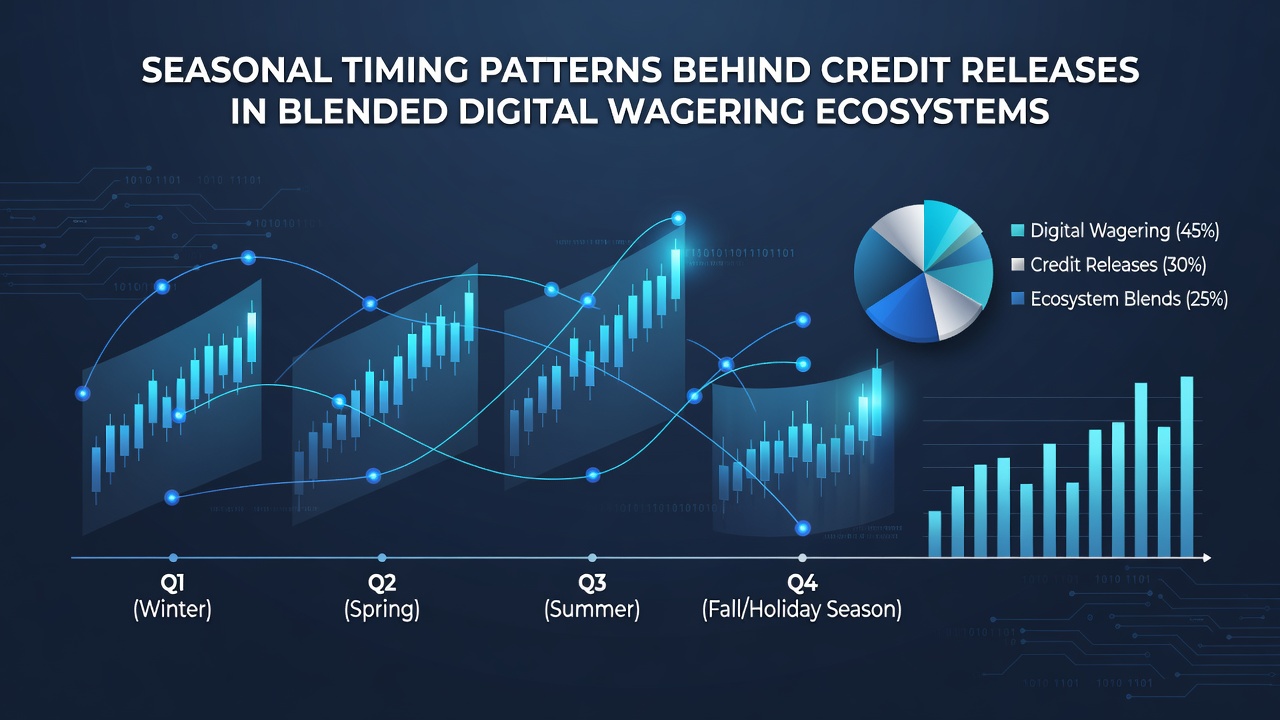
One longitudinal review of transaction logs from multi-game portals found that October releases in 2025 produced measurable upticks in poker table activity when sports credits rolled into tournament buy-ins, and similar patterns appear likely to repeat in October 2026 given stable league schedules and consistent platform design choices. Regulatory filings from Canadian provincial bodies further show that operators must report these timing strategies to ensure credits do not disproportionately target high-frequency users during peak seasonal windows.
Impact on Cross-Platform User Behavior
Evidence collected by academic research teams at institutions studying digital gaming networks demonstrates that credit releases timed with seasonal triggers accelerate migration between game types, with users who begin on sportsbooks often shifting to casino slots or lottery quick-picks once initial credits convert. This movement sustains overall platform activity because blended ecosystems structure rewards to reward continued play across categories rather than isolated sessions, and figures from European trade associations confirm elevated retention rates during October when multiple sports calendars converge.
Operators maintain internal dashboards that forecast credit demand based on past years' data, incorporating variables such as daylight saving time changes in October that alter login times for users in different regions, and these adjustments help maintain steady release pacing even as user availability fluctuates. The approach reduces clustering of redemptions during single events while preserving the perception that fresh credits appear regularly throughout the season.
Conclusion
Seasonal timing patterns for credit releases in blended digital wagering ecosystems reflect deliberate alignment with sports calendars, regional holidays, and user migration data, producing predictable yet adaptable distribution schedules that operators refine annually. Information from regulatory reports and transaction analyses shows these patterns persist across markets because they correspond to measurable engagement peaks, and October periods in particular demonstrate consistent volume increases when multiple leagues operate simultaneously. Continued monitoring by industry groups and academic researchers will likely track how platforms evolve these mechanisms in response to new league structures or regulatory updates in coming years.