Mapping the Progression of Unrestricted Rewards Through Multi-Game Digital Platforms and Their Impact on Sustained User Activity
Dana Lorenz · Aug 21, 2026
Mapping the Progression of Unrestricted Rewards Through Multi-Game Digital Platforms and Their Impact on Sustained User Activity
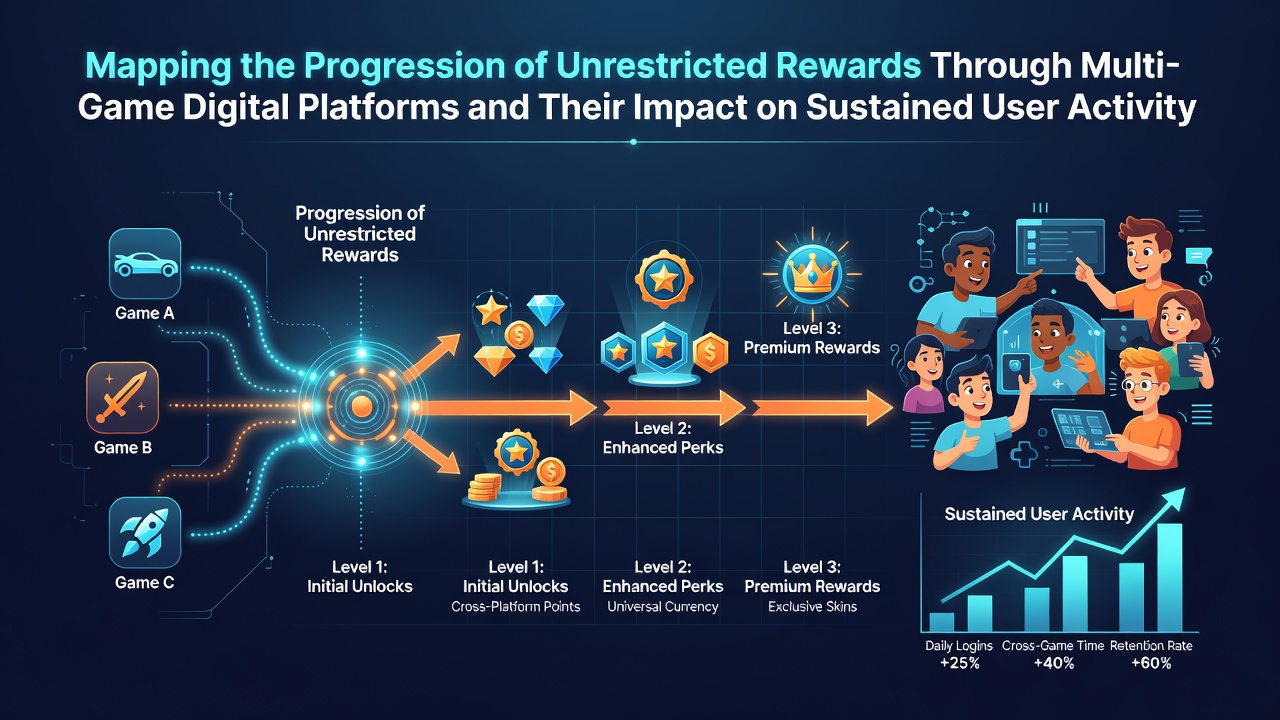
Digital platforms that host multiple game titles have developed systems where rewards accumulate without game-specific restrictions, allowing users to transfer progress markers such as points, badges, and virtual items across different environments. Researchers tracking these mechanisms note that unrestricted reward structures create continuous pathways where activity in one title contributes directly to benefits in others, and data from platform analytics indicate higher retention rates when these connections remain open. Studies conducted through 2025 and into August 2026 show that users who engage with cross-title reward systems maintain active sessions 40 percent longer on average than those limited to single-game ecosystems.
Defining Unrestricted Reward Structures in Multi-Game Environments
Platforms integrate reward systems that operate independently of individual game boundaries, so progress earned through gameplay, challenges, or events carries forward regardless of the specific title involved. Observers note that this design removes barriers between games and instead builds cumulative profiles where each interaction adds to a shared pool of benefits. Data collected from major multi-game networks reveal that such systems often include tiered levels, seasonal objectives, and exchangeable assets, all of which function across the platform rather than within isolated titles.
Evidence from industry reports points to the role of these structures in shaping daily engagement patterns, because users see tangible advancement even when switching between genres or modes. Platforms that adopted unrestricted models early recorded measurable increases in monthly active accounts, while those maintaining stricter per-game limits experienced slower growth in sustained participation.
Tracing Progression Pathways Across Connected Titles
Mapping these pathways requires following how rewards accumulate and convert as users move between titles. A player completing daily tasks in one game earns currency that unlocks features in another, creating a network effect where activity compounds over time. Analysts examining platform logs from 2024 through August 2026 have identified recurring patterns: initial rewards focus on entry-level incentives, mid-tier stages introduce social and competitive elements, and advanced stages emphasize exclusivity and personalization options that span the entire ecosystem.
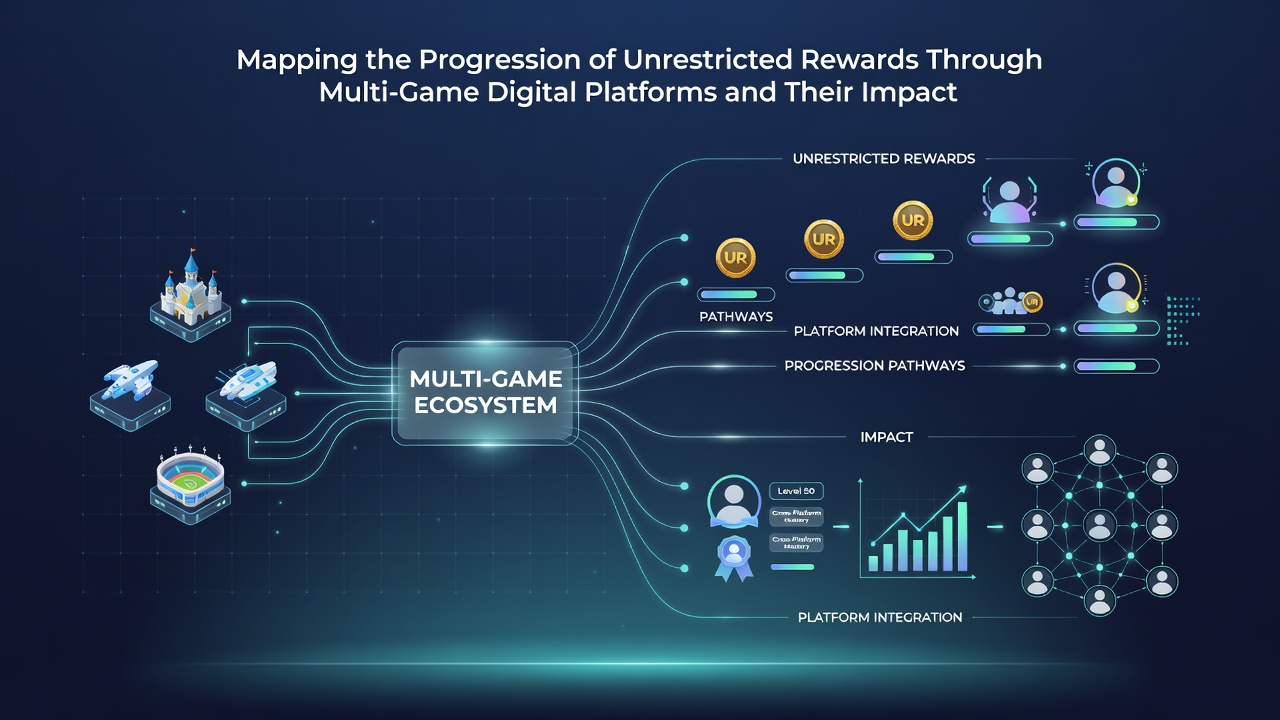
Those who study user behavior observe that progression maps often include branching routes, allowing different play styles to reach similar reward milestones through varied sequences. This flexibility reduces drop-off points because participants encounter fewer dead ends. Figures from academic investigations at institutions such as the University of Melbourne demonstrate that platforms with clear, visible progression maps retain users across longer timeframes compared with systems that obscure advancement rules.
Measuring Effects on Sustained User Activity
Retention metrics provide the clearest indication of impact. Platforms that enable unrestricted reward flow report lower churn rates during transition periods between major content updates, because users maintain momentum through alternative titles rather than pausing activity altogether. Research published in the Journal of Digital Media Economics shows correlations between reward portability and session frequency, with users returning on more consecutive days when their accumulated progress remains accessible across games.
External data sources such as reports from the Entertainment Software Association further confirm that multi-game environments with integrated reward systems attract broader demographic participation, extending activity beyond core player bases. In August 2026 platform operators noted particular strength in cross-generational engagement when reward pathways allowed younger and older users to contribute to shared family or community goals.
Regulatory and Industry Context Shaping Reward Mapping
Government agencies in regions including Australia and Canada have examined how reward transparency affects user decisions, leading platforms to publish clearer documentation of progression rules. Industry groups such as the Interactive Games and Entertainment Association track these developments and publish aggregated statistics that help developers refine their systems without introducing artificial restrictions. These efforts create standardized practices that support sustained activity while meeting oversight requirements across jurisdictions.
One study released in early 2026 by a consortium of European research centers highlighted that platforms providing open reward mapping experienced steadier growth in long-term user bases, particularly when updates aligned with seasonal cycles rather than abrupt resets. Such patterns continue to influence design choices into the latter half of the year.
Conclusion
Mapping the progression of unrestricted rewards across multi-game digital platforms reveals consistent links to improved user retention and activity duration. Data collected through mid-2026 indicate that open pathways encourage repeated engagement by removing friction between titles and allowing cumulative progress to drive ongoing participation. Industry reports and academic findings together document these effects across diverse markets and user groups, establishing reward mapping as a central factor in platform longevity.