Deciphering Layered Reward Pathways Across Multi-Platform Digital Gaming Networks
Blake Flores · Aug 18, 2026
Deciphering Layered Reward Pathways Across Multi-Platform Digital Gaming Networks
Digital gaming networks operate through interconnected reward structures that span multiple platforms and user interfaces, and these systems rely on data synchronization protocols that track player activity across mobile applications, desktop clients, and console integrations. Observers note that reward pathways function in distinct layers where base-level points accumulate from standard gameplay while secondary tiers activate through milestone achievements and engagement metrics, and tertiary mechanisms introduce multipliers tied to subscription status or cross-promotional events. Research from academic institutions shows that such layering emerged as platforms expanded their reach in response to user demands for seamless transitions between devices.
Core Components of Layered Reward Structures
Primary reward layers consist of immediate feedback mechanisms such as experience points and virtual currency that users receive upon completing in-game tasks, whereas secondary layers build cumulative profiles that unlock personalized offers based on historical behavior patterns. Tertiary layers often incorporate social elements where group achievements generate shared bonuses distributed across network participants. Data indicates that these components interact through algorithmic adjustments that recalibrate reward values according to overall network activity levels, and this dynamic occurs continuously as new content releases alter participation rates.
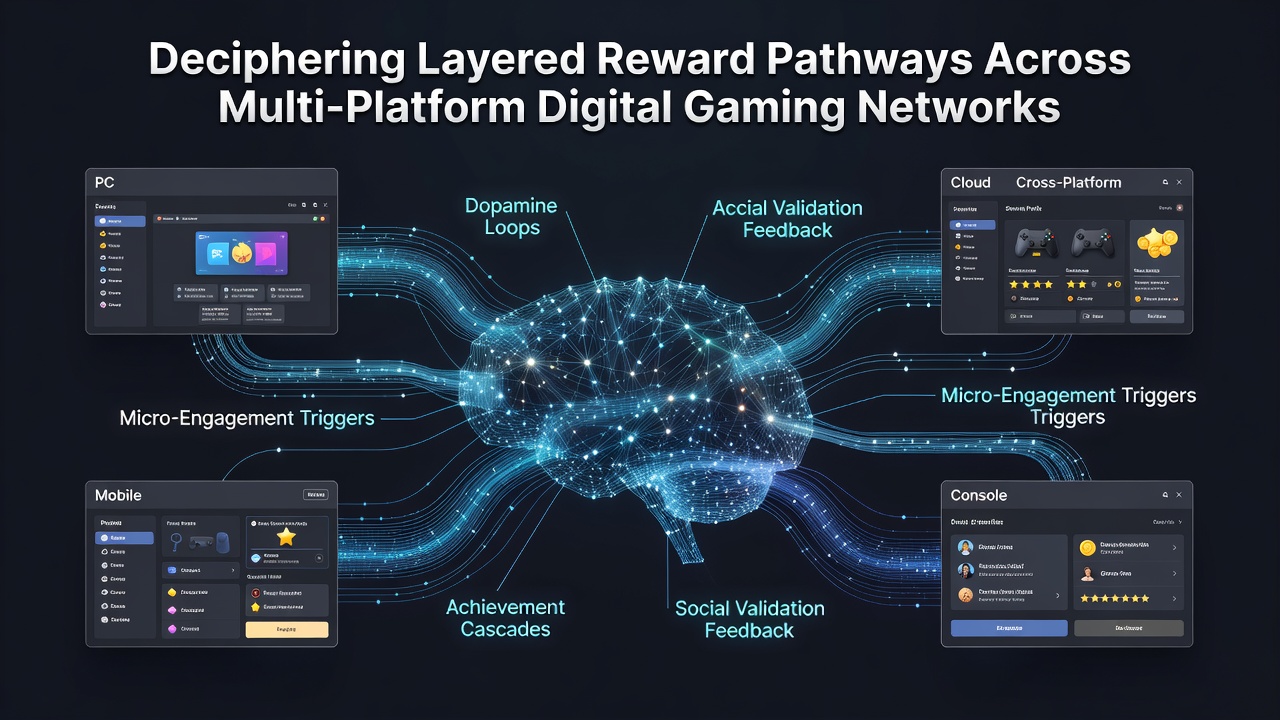
Multi-platform networks require backend systems capable of reconciling data from disparate sources including cloud servers, local device storage, and third-party authentication services, and studies have documented how synchronization delays can interrupt reward delivery when users switch between environments. Experts have observed that successful implementations employ standardized APIs to maintain consistency, and this approach reduces discrepancies that previously led to user complaints about missing progress.
Cross-Platform Integration Mechanisms
Integration across platforms depends on centralized account management that links player identities regardless of access method, while reward pathways adjust automatically to reflect device-specific constraints such as touch controls versus controller inputs. As of August 2026 several major networks completed upgrades to their tracking infrastructure that allow real-time updates even during peak usage periods, and figures from industry reports reveal improved retention rates following these changes. Those who study network performance note that latency reductions directly influence how quickly layered rewards propagate through the system.
Regulatory frameworks in various regions shape how these pathways can operate, and organizations like the Australian Communications and Media Authority have issued guidelines on transparency requirements for reward disclosures. Australian Communications and Media Authority guidelines emphasize clear communication of eligibility criteria across all connected platforms. In parallel, research from Canadian academic centers has examined data privacy implications when rewards aggregate information from multiple sources, and findings highlight the need for robust encryption during cross-device transfers.
Data Patterns and Network Behaviors
Analytics platforms collect extensive datasets that map how users navigate layered rewards, and patterns emerge where certain demographics prioritize social tiers while others focus on competitive multipliers. Evidence suggests that network operators refine these pathways through iterative testing that measures response rates to adjusted reward values, and this process continues as new titles enter the ecosystem. One study revealed that participants who engaged with at least three layers showed higher long-term activity compared to those limited to base rewards alone.
Security protocols protect against unauthorized access to reward accounts, and multi-factor authentication combines with behavioral analysis to flag unusual activity across platforms. Observers note that incidents of reward manipulation have declined following implementation of these measures, and this outcome aligns with broader industry shifts toward proactive monitoring. Those responsible for network maintenance report that ongoing audits verify compliance with data handling standards established by regional authorities.
Future Developments in Reward Pathway Design
Advancements in machine learning continue to influence how pathways adapt to individual user profiles, and predictive models forecast engagement levels to pre-allocate potential rewards before explicit triggers occur. Integration with emerging technologies such as cloud gaming services expands the reach of these networks while maintaining layer consistency across new entry points. Reports from trade associations indicate that collaborative standards among developers facilitate smoother transitions when players move between titles within the same network family.
Conclusion
Layered reward pathways across multi-platform digital gaming networks represent a complex interplay of data management, user tracking, and algorithmic design that evolves with technological capabilities. Information from regulatory bodies and research institutions demonstrates ongoing refinement in response to both technical challenges and compliance requirements. These systems support sustained user engagement through structured progression while adapting to the expanding range of devices and access methods available in the current landscape.