Charting Threshold Shifts in Zero-Entry Reward Systems Across Poker Circuits and Virtual Lottery Networks
Dana Lorenz · Sep 9, 2026
Charting Threshold Shifts in Zero-Entry Reward Systems Across Poker Circuits and Virtual Lottery Networks
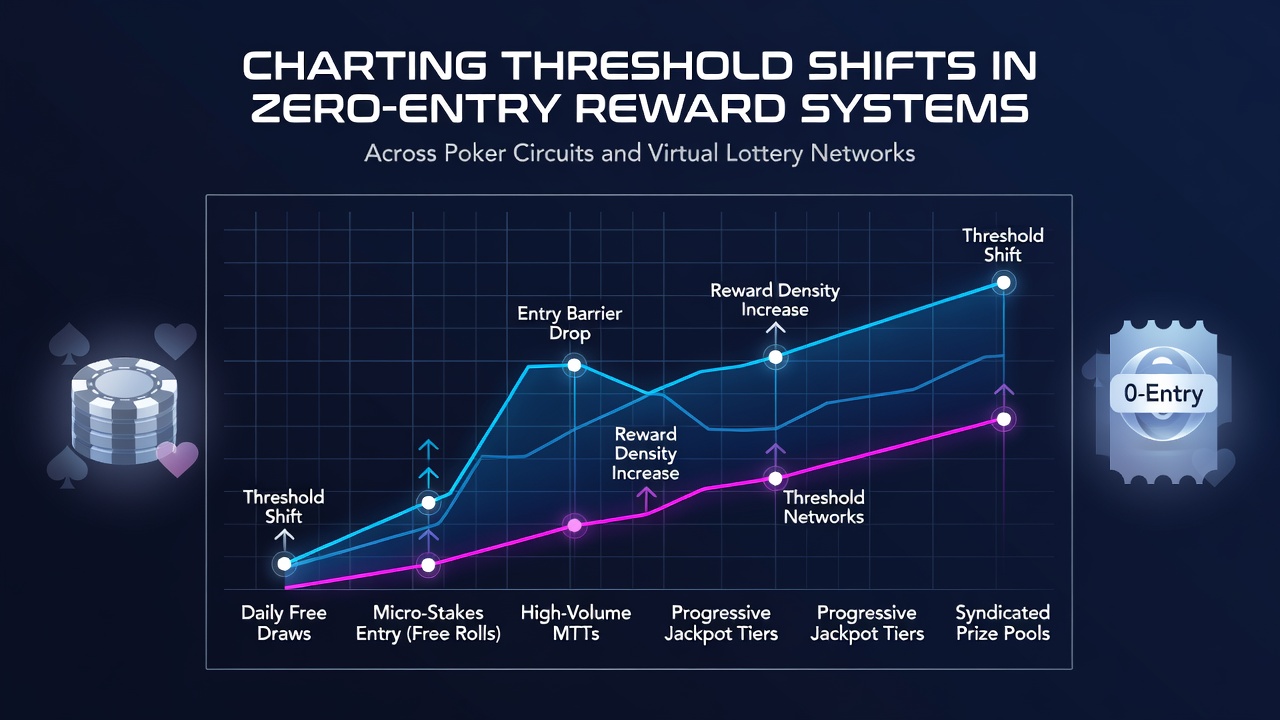
Zero-entry reward systems operate without upfront buy-ins yet distribute prizes through accumulated activity metrics, and operators across poker circuits adjust these thresholds periodically to balance participation volume against payout liabilities. Data from multiple jurisdictions shows that threshold recalibrations occur when aggregate player hours exceed preset benchmarks, which triggers automatic scaling of reward tiers in both live and virtual environments.
Mechanics of Zero-Entry Structures in Poker Circuits
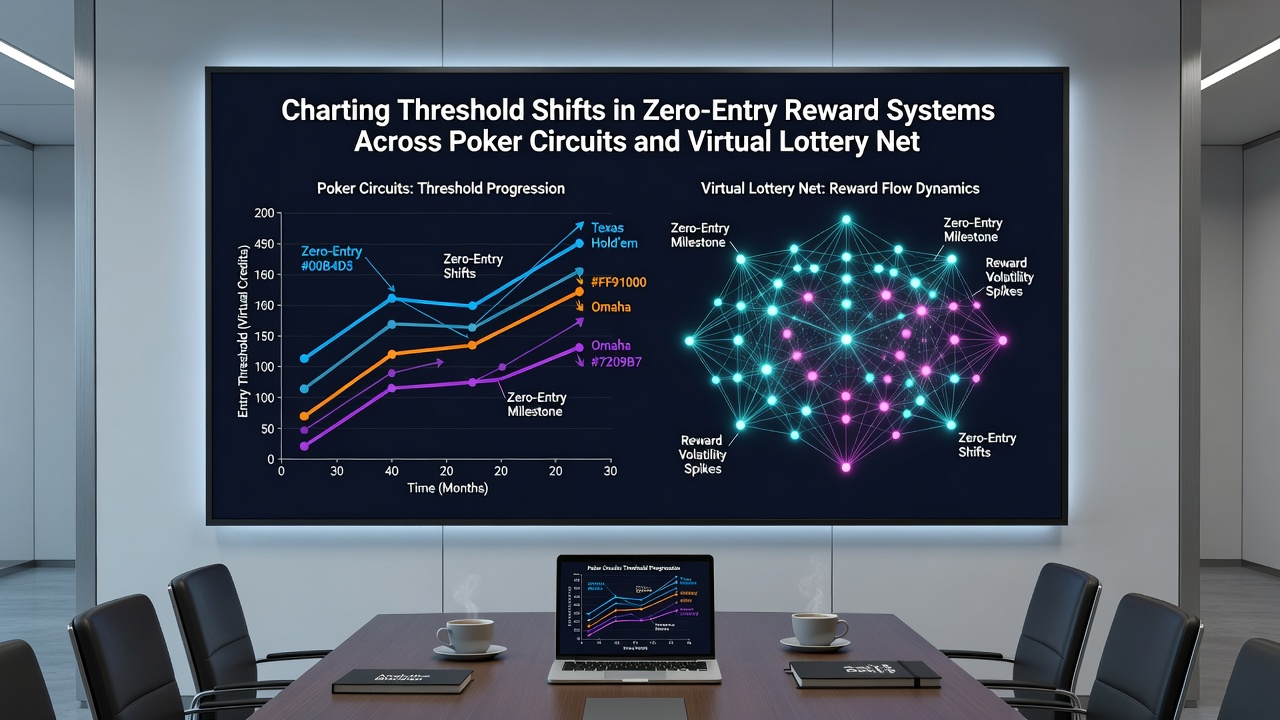
Poker circuits apply zero-entry formats through freerolls and loyalty-based qualifiers where participants earn entry credits by completing set volumes of hands or tournament entries over defined intervals. Researchers tracking North American circuits note that minimum hand-count thresholds rose from 500 to 750 per week in several major series between 2024 and 2025, while payout caps per event expanded proportionally to maintain operator margins. These adjustments respond directly to logged session data rather than external mandates, and circuits in different regions apply similar formulas with slight variations in accrual windows.
Observers note that European poker networks implemented parallel changes during the same period, although their accrual periods run on calendar months instead of rolling weeks. One documented case involved a circuit that raised its zero-entry qualifier threshold after average daily entrants surpassed 12,000, which prompted an increase in required rake contributions before reward eligibility activated.
Parallel Developments in Virtual Lottery Networks
Virtual lottery platforms structure zero-entry rewards through daily login streaks, referral completions, and ticket accumulation programs that convert activity points into free draws. Figures released by the Australian Communications and Media Authority indicate that several major operators raised the point-conversion threshold from 150 to 200 accumulated units in early 2025, citing sustained growth in registered accounts exceeding 2.3 million. These shifts occur alongside updates to probability tables that operators publish quarterly, ensuring the expected value per free ticket remains within regulatory ranges.
Canadian provincial lottery systems followed a comparable pattern, with threshold increases tied to peak-hour traffic metrics recorded during 2025. Platforms adjusted entry requirements for bonus draws after system logs showed sustained daily logins above 850,000, and the new tiers incorporated tiered multipliers that scale with consecutive participation days. Such modifications appear in official compliance filings rather than public announcements, yet the resulting reward structures remain accessible through user dashboards.
Comparative Threshold Patterns Across Both Domains
Cross-analysis of poker and lottery datasets reveals that both sectors increase thresholds when participation metrics exceed 15 percent year-over-year growth, although poker circuits apply the change faster due to shorter event cycles. Virtual lotteries tend to phase adjustments over two to three months, which allows users to adjust behavior before new requirements take full effect. A 2025 industry report compiled by the European Gaming and Betting Association documented these timing differences across 14 monitored platforms, highlighting that poker networks averaged 28 days from data trigger to implementation while lotteries averaged 67 days.
September 2026 projections from the same association anticipate further recalibrations if current growth trajectories continue, particularly in networks that combine poker qualifiers with lottery-style accumulators. Operators in both sectors rely on the same underlying analytics engines to set new floors, which explains the convergence in adjustment logic despite differing product formats.
Regulatory Oversight and Data Transparency
Regulatory bodies require periodic disclosure of zero-entry program parameters, and filings from the Nevada Gaming Control Board show that operators must report threshold changes at least 30 days before activation. Similar requirements exist in other jurisdictions, where agencies review expected value calculations to confirm compliance with consumer protection standards. These filings provide the primary public record of shifts, and analysts use them to construct time-series comparisons across circuits and networks.
Academic studies conducted at institutions tracking digital gambling behavior have begun incorporating these regulatory datasets into longitudinal models, which allow measurement of how threshold increases correlate with changes in session duration and repeat engagement rates. Preliminary outputs indicate measurable drops in low-volume participant activity following upward adjustments, although aggregate prize distribution remains stable because higher-volume users absorb the additional requirements.
Conclusion
Threshold shifts in zero-entry reward systems follow observable patterns driven by participation volume, regulatory filing cycles, and internal risk models that operators apply uniformly across poker circuits and virtual lottery networks. Documentation from multiple government agencies and industry associations supplies the factual basis for tracking these movements, while projected updates scheduled around September 2026 will likely extend existing trends rather than introduce entirely new variables. Continued monitoring through official channels will document whether convergence between the two sectors accelerates or stabilizes in subsequent periods.